You're about to create your best presentation ever

Concept Presentation Template

Create your presentation by reusing one of our great community templates.

Concept Map Template

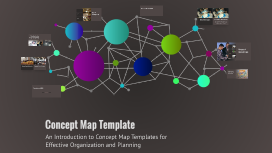
Transcript: Steps to Create a Concept Map A structured approach to developing concept maps for effective knowledge organization. Step 1: Identify Main Idea Step 2: Brainstorm Related Concepts Step 3: Organize Hierarchically Step 4: Connect Concepts Begin with a clear main idea that serves as the central theme of the concept map. Arrange the concepts in a hierarchical structure, placing broader categories at the top and more specific details below. Generate a list of concepts that connect to the main idea, considering all relevant associations. Draw lines between related concepts and label them to explain the connections, helping to clarify relationships. Connecting Lines: The Relationships Nodes: The Concepts Connecting lines serve to illustrate the relationships between the nodes. These lines can often be labeled to provide clarity on how the concepts are related, enhancing the map's overall meaning and functionality. Nodes are the fundamental units of a concept map, representing individual concepts or ideas. They can contain textual elements such as words and phrases or graphical elements like images, making them versatile for different contexts. Hierarchical Maps Hierarchical maps organize information in a top-down structure, showcasing the relationship between a main idea and its sub-concepts. This format is useful for depicting categories and classifications. Spider Maps Types of Concept Maps Spider maps, also known as web maps, start from a central idea and branch out to related concepts. This format helps in brainstorming and showing connections among various ideas. Flowcharts Flowcharts are used to represent processes or workflows. They utilize shapes and arrows to indicate the flow of steps, making complex processes easier to understand. Understanding Concept Maps Concept maps are effective tools that visually depict the relationships and hierarchies between different concepts. They play a crucial role in organizing information, making it easier to understand and remember complex ideas. Enhance Understanding Concept Map Template Concept maps help learners visualize relationships between concepts, leading to deeper understanding and retention of information. Facilitate Brainstorming Purpose of Concept Maps They provide a framework for brainstorming, allowing individuals to explore and connect ideas more effectively during the learning process. Promote Active Learning Concept maps promote active learning by encouraging students to engage with the material, fostering critical thinking and problem-solving skills. Enhancing Learning through Concept Maps Concept maps significantly improve learning outcomes by facilitating better understanding, promoting critical thinking, and enhancing problem-solving skills. They also foster active engagement and collaboration among learners, making the learning process more dynamic and interactive. An Introduction to Concept Map Templates for Effective Organization and Planning Concept Maps in Business Concept Maps in Education In the business realm, concept maps serve as effective tools for project planning and strategy formulation. They help teams clarify objectives, outline processes, and communicate ideas, ultimately leading to improved collaboration and decision-making. In education, concept maps are instrumental in enhancing teaching methodologies and evaluating student understanding. They allow educators to visualize concepts and demonstrate the connections between different topics, facilitating deeper learning. Conclusion and Q&A Summarizing the key takeaways on concept maps and inviting questions from the audience. Key Takeaway Concept maps are effective for knowledge organization across different fields.

Concept Map Template

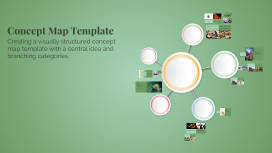
Transcript: The Power of Concept Mapping Concept maps are vital tools for organizing and visualizing complex information. They facilitate understanding by illustrating relationships between ideas, making them ideal for study, brainstorming, and project planning. Key Insights of Subtopic C3 Practical Applications of Subtopic C3 Subtopic C3 focuses on the intricate details that contribute significantly to the understanding of the overall concept, showcasing how various elements interconnect and influence each other. This subtopic also provides practical applications and implications, illustrating its relevance in real-world scenarios and how it can be leveraged for greater comprehension. Consequences of Lack of Context Essential Context for Comprehension In contrast, the absence of this context could lead to a superficial understanding of the main theme, highlighting the necessity of exploring Subtopic C2 to grasp the full scope of the subject matter. Subtopic C2 offers critical details that enrich the comprehension of the main theme, ensuring that all aspects are thoroughly considered. This branch emphasizes the nuances and complexities that contribute to a more comprehensive overview. Key Features of Subtopic C1 Influence of Subtopic C1 on Main Theme Subtopic C1 examines a crucial aspect that is directly linked to the main theme, emphasizing its role and significance within the broader context. This subtopic not only highlights key features but also illustrates how they influence the understanding and application of the main theme. Concept Map Template Creating a visually structured concept map template with a central idea and branching categories. Vital Component of the Main Theme Branch 3: Subtopic C Subtopic C is an integral part of the main theme, providing essential context and insights that connect various elements together. It serves as a foundation for further exploration of related ideas. Key Insights of Subtopic B3 Additional Context of Subtopic B3 Subtopic B3 provides critical details that deepen the comprehension of the main theme, focusing on its impact and relevance in practical applications or real-world scenarios. In contrast, the additional context surrounding Subtopic B3 offers broader perspectives that enhance the understanding of the theme, including historical background or comparative analysis. Detailed Analysis of Subtopic B2 Overview of Subtopic B2 In contrast, this part delves into a detailed analysis of Subtopic B2, examining specific aspects, implications, and examples. This deeper exploration allows for a more comprehensive understanding of how Subtopic B2 contributes to the overall theme. This section provides a broad overview of Subtopic B2, highlighting its significance and relevance to the main theme. It serves as an entry point for understanding the core concepts related to this subtopic. Focus on Core Characteristics Alternative Perspectives Subtopic A1 delves into a crucial aspect of the main theme, examining its characteristics and significance. This exploration provides a deeper understanding of how it interrelates with other components of the theme. On the other hand, the contrasting view of Subtopic A1 emphasizes alternative aspects that may influence the interpretation of the main theme, highlighting its complexity and multifaceted nature. Key Component of Main Theme Subtopic A is a crucial element of the main theme, providing foundational insights that support further discussion. Branch 1: Subtopic A Branches Out to Three Subtopics This branch leads to three additional subtopics, each contributing unique perspectives and details essential for a holistic understanding. Key Feature of Subtopic B1 General Overview of Subtopic B Subtopic B1 focuses on a specific feature that plays a crucial role in supporting the main theme. This feature provides targeted insights and exemplifies how it contributes to the overall understanding of the concept. In contrast, the general overview of Subtopic B encompasses broader elements and contexts that surround the main theme. It offers a wider lens through which to understand the various aspects related to this subtopic. Visual Representation of the Main Theme The concept map illustrates the main theme at its center, symbolizing the foundation upon which various subtopics branch out, facilitating deeper exploration and understanding. Essential Element of Main Theme Branch 2: Subtopic B Subtopic B is crucial for a deeper understanding of the main theme and connects with various aspects in a meaningful way. It serves as a bridge to explore further details and insights relevant to the central idea. Complementary Details Alternative Perspective This subtopic also provides detailed information that complements the main theme, presenting relevant data and examples that enrich the overall discussion. Subtopic A2 offers an alternative viewpoint that is critical for a nuanced understanding of the main theme, allowing for an exploration of different

Presentation Template

Transcript: Designing Your Presentation Structuring Content Effectively Color Schemes and Fonts Choosing the Right Layout Incorporating Visuals and Graphics A clear structure is vital for effective presentations. The rule of three can be applied, presenting ideas in groups of three for easier digestion. Use bullet points and numbered lists to enhance clarity and flow. Color schemes set the mood and enhance readability. A limited palette of 2-3 colors with contrasting tones is more effective. Choose fonts that align with the presentation tone; sans-serif for modern looks and serif for traditional presentations are common choices. The layout determines visual hierarchy and readability. Common layouts include slides designed for text-heavy content versus those emphasizing visuals, such as images or infographics. A well-structured layout improves audience retention of information. Visuals, such as images and charts, capture attention more than text alone. Research shows that visuals can improve information retention by up to 65%. Infographics help in simplifying complex data for better understanding. Introduction to Research Topic Templates serve as a blueprint for presentations, providing consistency in design and structure. They save time and ensure that crucial elements are not overlooked, enhancing overall communication and engagement with the audience. Components of a Good Template A good presentation template includes essential elements such as a title slide, content layout, visual hierarchy, and consistent color schemes. Each component must work together to enhance readability and visual appeal, guiding the audience through the information seamlessly. Types of Presentation Templates There are various types of presentation templates including pitch decks, educational lectures, and marketing presentations. Each type is tailored to specific communication needs and audience expectations, ensuring clarity and relevance of the content. Best Practices for Presentations Visual Aesthetics in Templates Visual aesthetics, including color theory and typography, play a crucial role in presentation templates. Effective use of visuals can capture attention, reinforce messages, and promote retention, making the information more impactful. Relevance of the Current School Curriculum to future job market Demands Engaging Your Audience To capture attention, incorporate storytelling, relevant anecdotes, and interactive polls or questions. Research shows that audiences are 75% more likely to remember presentations that include interactions. Timing and Pacing Utilizing Technology and Tools Leverage tools like PowerPoint, Prezi, or interactive platforms such as Mentimeter for effective visuals and engagement. Utilizing technology not only makes your content more dynamic but also enhances understanding across diverse learning styles. Effective presentations balance content with timing. Aim for 1 minute per slide on average and leave time for questions; experts recommend 10-15% of total time for Q&A to enhance understanding and engagement. Handling Questions and Feedback Encourage questions by allocating specific time for audience interaction and demonstrating openness. Implementing a structured Q&A format can improve clarity and allows for deeper audience engagement while addressing common misconceptions. Conclusion and Next Steps Resources for Further Learning Recap of Key Points For those looking to refine their presentation skills, consider books like 'Presentation Zen' by Garr Reynolds and online courses on platforms such as Coursera or LinkedIn Learning. These resources offer advanced techniques and strategies for effective communication. Essential components of effective presentations include understanding your audience, utilizing engaging visuals, and structuring content for clarity. A well-designed template can significantly enhance the presentation experience for both the presenter and the audience. Call to Action for Practice Final Thoughts on Presentation Skills Mastering presentation skills not only enhances professional opportunities but also boosts personal confidence. Remember, effective communication is a key asset in any field, making it essential for career advancement. Regular practice is vital for mastery in presentations. Engage in public speaking groups like Toastmasters or seek opportunities to present at work to build confidence and receive constructive feedback.

Concept Map Template

Transcript: Core Theme of the Map Bubble 1: Central Idea The central idea serves as the core theme of the concept map, representing the primary focus around which all other information is organized. This concept is crucial for understanding the overall topic and its related concepts. Introduction to Concept Maps Concept maps are dynamic tools used to visually represent and organize information, illustrating the relationships among various concepts. They facilitate knowledge structuring, making it easier to understand and retain complex information. Expansion of Understanding Bubble 2: Related Concept 1 Related Concept 1 delves deeper into the central idea, offering a more comprehensive understanding of the subject matter. It serves to clarify and provide relevant information that supports the central theme. Concept Map Template A guide to creating a comprehensive concept map with 11 distinct bubbles to organize thoughts effectively. Environmental Impact of Recycling Bubble 3: Related Concept 2 This concept explores the environmental impact of recycling. It highlights how recycling reduces waste and conserves natural resources. By connecting this bubble to the central idea, we illustrate the importance of sustainability in our daily practices. Deepens Understanding of Central Idea Related Concept 3 provides a deeper understanding of the central idea by diving into specific aspects or themes that are integral to the main topic. This bubble is essential for illustrating how the central idea manifests in various contexts or applications. Examples may include practical applications, theoretical considerations, or case studies that enhance comprehension. In-Depth Analysis Bubble 5: Related Concept 4 Related Concept 4 provides in-depth analysis, such as statistics or case studies, that further enriches the understanding of the central theme. It serves as an extension of the main topic, linking broader implications or applications. Bubble 4: Related Concept 3 Conclusion and Usage Tips Concept maps serve as valuable tools for enhancing understanding and retention of information. They are versatile in their application, useful for brainstorming ideas, organizing knowledge hierarchically, and improving memory through visual representation. Summarizes Key Insights Bubble 9: Related Concept 8 This bubble serves to encapsulate the essential takeaways from the concept map, ensuring clarity and comprehension. By summarizing key insights, it aids in reinforcing the interconnectedness of the concepts presented throughout the map. Unique Perspective on the Topic Related Concept 5 focuses on a unique viewpoint that challenges or complements the main topic. It is vital for enriching the overall understanding of the concept map as it highlights diverse interpretations and approaches related to the central idea. Real-World Applications Related Concept 7 can include real-world applications that illustrate the main idea, making theoretical concepts more tangible. Case studies or examples help clarify how the central idea operates in various contexts, enhancing understanding. Bubble 6: Related Concept 5 Bubble 8: Related Concept 7 Enhances Understanding Bubble 7: Related Concept 6 Related Concept 6 highlights a critical facet of the central idea, enriching the overall understanding of the topic. This concept may touch upon theoretical frameworks, methodologies, or additional subtopics that provide depth and context.

Presentation Template

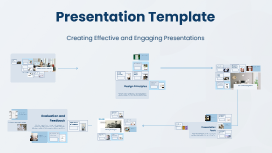
Transcript: Assets Presentation Template Creating Effective and Engaging Presentations Comment Color Schemes Color schemes impact perception and engagement. Utilizing complementary colors enhances readability and evokes emotional responses, while a consistent palette promotes professionalism and cohesiveness throughout the presentation. Why Are Presentations Important? Key Elements of a Good Presentation An effective presentation consists of clear objectives, engaging content, appealing visuals, and strong delivery. These elements work together to ensure the message is understood and retained by the audience. Presentations are a vital tool for conveying ideas and information in a concise manner. They help engage audiences, facilitate knowledge sharing, and support decision-making in various contexts, from business to education. Font Selection Storytelling Techniques Common Presentation Formats Using Data and Statistics Crafting a Compelling Conclusion Choosing the right fonts ensures readability and visual appeal. Sans-serif fonts are generally preferred for digital presentations, while contrasting font styles for headings and body text can enhance clarity. Introduction to Presentations Presentations can take various formats, including slideshows, verbal talks, and interactive workshops. Each format serves specific purposes and can be chosen based on the audience's needs and the presenter's objectives. A strong conclusion summarizes key takeaways and reinforces the significance of your message. Present a call to action, encouraging the audience to reflect or act upon the information, leaving a lasting impression. Understanding the essential features of effective presentations is crucial for successful communication. This section covers the importance of presentations, the key elements that make them effective, and how to tailor your message to your audience. Storytelling in presentations makes content relatable. Use personal anecdotes or case studies to illustrate points, weaving emotional connections that resonate with your audience and aid in memory retention of key messages. Incorporating relevant data strengthens your arguments and adds credibility. Utilize visuals like charts and graphs to present complex information clearly, ensuring that statistics are contextualized and connected directly to your overall narrative. Understanding Your Audience Setting Clear Objectives Visual Hierarchy Image Usage Creating Engaging Headlines Knowing your audience is crucial for tailoring your message effectively. Factors such as demographics, interests, and expertise level should inform the presentation's content and style for maximum impact. Defining clear objectives is essential for any presentation. Objectives guide the content and keep both the presenter and audience focused on the intended outcomes, ensuring effective communication. Visual hierarchy prioritizes information to guide the audience's focus. By varying font size, weight, and color, key points are emphasized, allowing for quicker understanding of the presented material. Images should complement the content, not overwhelm it. High-quality visuals can illustrate complex ideas, but maintaining relevance and context is crucial for impactful communication. Headlines serve as hooks to capture your audience’s interest. Craft headlines that are concise yet compelling, leveraging impactful words to convey the essence of each section, encouraging further engagement with the content that follows. Layout and Spacing Structuring Your Presentation Content Development Effective layout and spacing guide the audience's eye. Proper alignment and ample white space can enhance readability, prevent overcrowding, and create a more polished, professional appearance. A well-structured presentation enhances clarity and retention. Consider using a clear beginning, middle, and end, supplemented with transitions that guide the audience through your key points. Utilize frameworks like the Problem-Solution or Chronological approach depending on your topic. Effective content development is the backbone of any successful presentation. It involves careful structuring and engaging communication to ensure your message is understood and retained. Design Principles Effective design principles are fundamental for creating engaging presentations that hold the audience's attention. Understanding visual hierarchy, color schemes, font selection, image usage, and layout ensure that messages are conveyed clearly and professionally. Managing Nervousness Learning from Past Presentations Nervousness is common among presenters; techniques such as deep breathing, visualization, and practice can effectively manage it. Creating a clear structure for the presentation can also boost confidence and promote calmness during delivery. Incorporating Multimedia Reviewing recordings of past presentations can illuminate patterns in performance. This reflection enhances understanding of effective techniques and common

Now you can make any subject more engaging and memorable