You're about to create your best presentation ever

Illinois Presentation Template

Create your presentation by reusing one of our great community templates.

Illinois Presentation

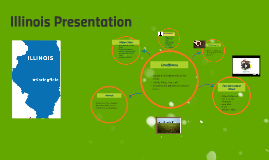
Transcript: Illinois Presentation Introduction to Illinois Education and Innovation Geography Leading Universities Exploring the Land of Lincoln Culture and Attractions Illinois boasts prestigious universities, including the University of Illinois at Urbana-Champaign and Northwestern University, known for their rigorous academic programs and research initiatives. These institutions attract students globally and contribute significantly to state innovation. Illinois spans approximately 57,914 square miles, making it the 25th largest state in the U.S. It features diverse landscapes, including rolling plains, hills, and river valleys, as well as a significant Lake Michigan shoreline which contributes to its climate and ecology. Research Institutions Technological Advancements Illinois is at the forefront of technology with innovations in sectors like biotechnology, information technology, and renewable energy. The state's supportive ecosystem encourages startups and established companies to thrive in technological advancements. The state is home to renowned research institutions such as Argonne National Laboratory and Fermi National Accelerator Laboratory. These centers focus on scientific advancements and foster collaborations with academic entities and industries. History Economic Opportunities Economy With a robust economy driven by higher education and innovation, Illinois offers numerous economic opportunities. The collaboration between universities and industries helps nurture talent and foster entrepreneurship, contributing to economic growth. Illinois has a historically rich narrative, with its roots in Indigenous cultures before European settlement. It became the 21st state on December 3, 1818, and played a pivotal role during the Civil War, notably as the home of Abraham Lincoln. Illinois boasts a diverse economy with key industries including manufacturing, agriculture, and finance. Chicago serves as a major financial hub, while the state is one of the top producers of corn and soybeans in the nation. Demographics Arts and Festivals Cuisine As of the 2020 census, Illinois has a population of approximately 12.8 million people, making it the 6th most populous state. The state's demographic diversity includes significant African American, Hispanic, and Asian communities, contributing to its rich cultural fabric. Illinois is home to numerous annual arts festivals, like the Chicago Blues Festival and the Illinois State Fair. These events showcase local talent across music, theater, and visual arts, celebrating the state's rich cultural heritage. The culinary landscape in Illinois is diverse, featuring iconic dishes such as deep-dish pizza and Chicago-style hot dogs. The state's agricultural roots also support a vibrant farm-to-table movement, showcasing fresh, local ingredients in many restaurants. Natural Landmarks Historic Sites The state features breathtaking natural landmarks, including the stunning Shawnee National Forest and the picturesque Starved Rock State Park. These locations provide countless opportunities for outdoor activities such as hiking, camping, and wildlife observation. Illinois ranks high with historic sites like Lincoln's Home in Springfield and the historic Route 66. These landmarks offer insights into the state's significant role in American history and the legacy of Abraham Lincoln. Future of Illinois Urban Growth Community Engagement Sustainable Development Policy Initiatives Recent policy initiatives in Illinois focus on equitable access to resources and support for innovation. The state promotes legislation that enhances education, healthcare, and transportation, fostering an inclusive environment for growth and collaboration. Urban growth in Illinois is fueled by population demand and economic opportunities, resulting in revitalization of cities like Chicago and expansion of suburban areas. This trend supports infrastructure upgrades and diverse housing options. Community engagement in Illinois is essential for shaping local policies and development strategies. Initiatives encourage residents to participate in decision-making processes, enhancing civic responsibility and fostering a sense of belonging within communities. Illinois prioritizes sustainable development, focusing on renewable energy initiatives and eco-friendly practices that reduce carbon emissions while supporting economic growth. Key projects include solar energy installations and green transportation infrastructure advancements.

Illinois Presentation

Transcript: Transportation in Illinois Education in Illinois Major Highways Public Transit Systems Illinois has an extensive network of highways, with over 2,200 miles of interstate highways facilitating trade and travel. Major routes like Interstate 55 and Interstate 90 connect the state to key markets across the Midwest and beyond. Illinois features an extensive public transit system, prominently in Chicago with the Chicago Transit Authority (CTA) offering buses and trains. Additionally, Metra serves the suburban areas, ensuring connectivity across the greater Chicago region. K-12 Education Airports Rail Networks Illinois has over 850 school districts serving over 2 million students. The state focuses on improving educational standards, funding initiatives, and equitable access to resources for all students. Illinois is home to major airports, most notably Chicago O'Hare International Airport, one of the busiest airports in the world. O'Hare serves as a major hub for domestic and international flights, supporting Illinois' economy. The rail network in Illinois is one of the largest in the U.S., managed by companies such as Union Pacific and BNSF. It plays a crucial role in freight transport, linking the state to major ports and cities for efficient goods movement. Educational Programs Higher Education Institutions Various educational programs in Illinois focus on STEM, arts, and vocational training. Initiatives like the Illinois State Board of Education's partnerships aim to enhance educational quality and relevance. Illinois is home to more than 170 colleges and universities, including the University of Illinois, Northwestern University, and DePaul University. These institutions contribute significantly to research and workforce development. Challenges in Education Illinois faces challenges such as disparities in funding, teacher shortages, and varying academic outcomes. Addressing these issues is critical for improving overall educational success. Illinois Presentation Introduction to Illinois Demographics Geography Illinois has a population of approximately 12.8 million people, making it the fifth-most populous state in the U.S. The demographic profile is diverse, with significant communities of Hispanic, African American, and Asian residents contributing to its cultural richness. Illinois features a variety of geographical landscapes, including the Great Lakes, prairies, and forests. The state covers approximately 57,914 square miles and serves as a crucial corridor for transportation and trade due to its strategic Midwestern location. Future of Illinois Economy History Established in 1818, Illinois played a pivotal role in American history. The state is known for Abraham Lincoln, who served as a U.S. Congressman and President, and for its early contributions to agriculture and industry during the 19th century. Illinois boasts a robust economy with key sectors including manufacturing, agriculture, and services. The state is a leader in corn and soybean production and is home to an extensive transportation infrastructure that supports trade and commerce. An Overview of the Land of Lincoln Economic Development Illinois Attractions Illinois is focusing on diversifying its economy beyond agriculture and manufacturing by promoting sectors like technology, healthcare, and renewable energy. With a strong labor force and extensive infrastructure, the state is encouraging investment to stimulate growth and create jobs. State Parks Chicago Landmarks Illinois features over 60 state parks, offering diverse landscapes from forests and rivers to lakes and prairies. Parks like Starved Rock and Matthiessen are popular for hiking, wildlife observation, and scenic views. Chicago is home to renowned landmarks such as the Willis Tower, Navy Pier, and Millennium Park. Each site embodies the city's architectural innovation, vibrant culture, and has become integral to Chicago's identity. Population Trends Environmental Initiatives Historical Sites Cultural Institutions Illinois hosts numerous cultural institutions, including the Art Institute of Chicago and the Museum of Science and Industry. These venues foster learning and appreciation for art, science, and history within the community. The state is rich in history with sites like Lincoln's Home in Springfield and Cahokia Mounds, a UNESCO World Heritage site. These locations offer insights into Illinois' past and the cultural narratives that shaped it. Illinois is investing in environmental initiatives aimed at combating climate change and promoting sustainability, including renewable energy projects and conservation programs. Efforts to reduce greenhouse gas emissions are integral to creating a greener future. Illinois has experienced a gradual population decline in recent years due to various factors, including out-migration. However, urban areas like Chicago continue to attract newcomers, contributing to a culturally rich and diverse demographic landscape. Technology and

Presentation Template

Transcript: Designing Your Presentation Structuring Content Effectively Color Schemes and Fonts Choosing the Right Layout Incorporating Visuals and Graphics A clear structure is vital for effective presentations. The rule of three can be applied, presenting ideas in groups of three for easier digestion. Use bullet points and numbered lists to enhance clarity and flow. Color schemes set the mood and enhance readability. A limited palette of 2-3 colors with contrasting tones is more effective. Choose fonts that align with the presentation tone; sans-serif for modern looks and serif for traditional presentations are common choices. The layout determines visual hierarchy and readability. Common layouts include slides designed for text-heavy content versus those emphasizing visuals, such as images or infographics. A well-structured layout improves audience retention of information. Visuals, such as images and charts, capture attention more than text alone. Research shows that visuals can improve information retention by up to 65%. Infographics help in simplifying complex data for better understanding. Introduction to Research Topic Templates serve as a blueprint for presentations, providing consistency in design and structure. They save time and ensure that crucial elements are not overlooked, enhancing overall communication and engagement with the audience. Components of a Good Template A good presentation template includes essential elements such as a title slide, content layout, visual hierarchy, and consistent color schemes. Each component must work together to enhance readability and visual appeal, guiding the audience through the information seamlessly. Types of Presentation Templates There are various types of presentation templates including pitch decks, educational lectures, and marketing presentations. Each type is tailored to specific communication needs and audience expectations, ensuring clarity and relevance of the content. Best Practices for Presentations Visual Aesthetics in Templates Visual aesthetics, including color theory and typography, play a crucial role in presentation templates. Effective use of visuals can capture attention, reinforce messages, and promote retention, making the information more impactful. Relevance of the Current School Curriculum to future job market Demands Engaging Your Audience To capture attention, incorporate storytelling, relevant anecdotes, and interactive polls or questions. Research shows that audiences are 75% more likely to remember presentations that include interactions. Timing and Pacing Utilizing Technology and Tools Leverage tools like PowerPoint, Prezi, or interactive platforms such as Mentimeter for effective visuals and engagement. Utilizing technology not only makes your content more dynamic but also enhances understanding across diverse learning styles. Effective presentations balance content with timing. Aim for 1 minute per slide on average and leave time for questions; experts recommend 10-15% of total time for Q&A to enhance understanding and engagement. Handling Questions and Feedback Encourage questions by allocating specific time for audience interaction and demonstrating openness. Implementing a structured Q&A format can improve clarity and allows for deeper audience engagement while addressing common misconceptions. Conclusion and Next Steps Resources for Further Learning Recap of Key Points For those looking to refine their presentation skills, consider books like 'Presentation Zen' by Garr Reynolds and online courses on platforms such as Coursera or LinkedIn Learning. These resources offer advanced techniques and strategies for effective communication. Essential components of effective presentations include understanding your audience, utilizing engaging visuals, and structuring content for clarity. A well-designed template can significantly enhance the presentation experience for both the presenter and the audience. Call to Action for Practice Final Thoughts on Presentation Skills Mastering presentation skills not only enhances professional opportunities but also boosts personal confidence. Remember, effective communication is a key asset in any field, making it essential for career advancement. Regular practice is vital for mastery in presentations. Engage in public speaking groups like Toastmasters or seek opportunities to present at work to build confidence and receive constructive feedback.

Presentation Template

Transcript: Assets Presentation Template Creating Effective and Engaging Presentations Comment Color Schemes Color schemes impact perception and engagement. Utilizing complementary colors enhances readability and evokes emotional responses, while a consistent palette promotes professionalism and cohesiveness throughout the presentation. Why Are Presentations Important? Key Elements of a Good Presentation An effective presentation consists of clear objectives, engaging content, appealing visuals, and strong delivery. These elements work together to ensure the message is understood and retained by the audience. Presentations are a vital tool for conveying ideas and information in a concise manner. They help engage audiences, facilitate knowledge sharing, and support decision-making in various contexts, from business to education. Font Selection Storytelling Techniques Common Presentation Formats Using Data and Statistics Crafting a Compelling Conclusion Choosing the right fonts ensures readability and visual appeal. Sans-serif fonts are generally preferred for digital presentations, while contrasting font styles for headings and body text can enhance clarity. Introduction to Presentations Presentations can take various formats, including slideshows, verbal talks, and interactive workshops. Each format serves specific purposes and can be chosen based on the audience's needs and the presenter's objectives. A strong conclusion summarizes key takeaways and reinforces the significance of your message. Present a call to action, encouraging the audience to reflect or act upon the information, leaving a lasting impression. Understanding the essential features of effective presentations is crucial for successful communication. This section covers the importance of presentations, the key elements that make them effective, and how to tailor your message to your audience. Storytelling in presentations makes content relatable. Use personal anecdotes or case studies to illustrate points, weaving emotional connections that resonate with your audience and aid in memory retention of key messages. Incorporating relevant data strengthens your arguments and adds credibility. Utilize visuals like charts and graphs to present complex information clearly, ensuring that statistics are contextualized and connected directly to your overall narrative. Understanding Your Audience Setting Clear Objectives Visual Hierarchy Image Usage Creating Engaging Headlines Knowing your audience is crucial for tailoring your message effectively. Factors such as demographics, interests, and expertise level should inform the presentation's content and style for maximum impact. Defining clear objectives is essential for any presentation. Objectives guide the content and keep both the presenter and audience focused on the intended outcomes, ensuring effective communication. Visual hierarchy prioritizes information to guide the audience's focus. By varying font size, weight, and color, key points are emphasized, allowing for quicker understanding of the presented material. Images should complement the content, not overwhelm it. High-quality visuals can illustrate complex ideas, but maintaining relevance and context is crucial for impactful communication. Headlines serve as hooks to capture your audience’s interest. Craft headlines that are concise yet compelling, leveraging impactful words to convey the essence of each section, encouraging further engagement with the content that follows. Layout and Spacing Structuring Your Presentation Content Development Effective layout and spacing guide the audience's eye. Proper alignment and ample white space can enhance readability, prevent overcrowding, and create a more polished, professional appearance. A well-structured presentation enhances clarity and retention. Consider using a clear beginning, middle, and end, supplemented with transitions that guide the audience through your key points. Utilize frameworks like the Problem-Solution or Chronological approach depending on your topic. Effective content development is the backbone of any successful presentation. It involves careful structuring and engaging communication to ensure your message is understood and retained. Design Principles Effective design principles are fundamental for creating engaging presentations that hold the audience's attention. Understanding visual hierarchy, color schemes, font selection, image usage, and layout ensure that messages are conveyed clearly and professionally. Managing Nervousness Learning from Past Presentations Nervousness is common among presenters; techniques such as deep breathing, visualization, and practice can effectively manage it. Creating a clear structure for the presentation can also boost confidence and promote calmness during delivery. Incorporating Multimedia Reviewing recordings of past presentations can illuminate patterns in performance. This reflection enhances understanding of effective techniques and common

Now you can make any subject more engaging and memorable