You're about to create your best presentation ever

Good Presentation Template

Create your presentation by reusing one of our great community templates.

Good template

Transcript: Thank you Questions? Interview questions Method Take-back - combined with product delivery Find innovative ways to maintain values in, or re-evaluate products - scrap value Individuals Phone In-depth Research Questions Conclusions Circular Economy Consumer perspectives on take-back services of household furniture Struggles / Lessons Learnt Hint of positive attitudes towards take-back of furniture among consumers Product take-back Organisational perspective Customer perspective Introduction Extended producer responsibility PSS After-sales services Value-offerings Conclusions “all activities involved in transferring the used product from the customers´ possession to the recovery site” Findings Businesses will have to educate and create awareness Time - literature review 1. What are potential attitudes towards take-back services of household furniture among consumers? 2. What implications do these attitudes and perceptions have for circular business models? Furniture - mattresses, chairs, sofas, tables, wardrobes and kitchens Take-backs in service package in order for circular business models to be successful Ronja Lidenhammar Problem Definition Circular business models - develop attractive offers that are adapted to the product group in question More research - how prolific attitudes and perceptions are Definitions Findings Due to small sample size - hard to know what to conclude Findings ... to investigate attitudes that individuals have towards take-back services and what implications these attitudes have for circular business models. Aim Consumer perceptions Take-back services Circular business models Findings Motivation to return products and material - convenience and a monetary / material return when handing in furniture Literature review 3 Interviews Returning products would not be interesting if no environmentally sound end-of-life treatment was guaranteed by the company

Presentation Template

Transcript: Designing Your Presentation Structuring Content Effectively Color Schemes and Fonts Choosing the Right Layout Incorporating Visuals and Graphics A clear structure is vital for effective presentations. The rule of three can be applied, presenting ideas in groups of three for easier digestion. Use bullet points and numbered lists to enhance clarity and flow. Color schemes set the mood and enhance readability. A limited palette of 2-3 colors with contrasting tones is more effective. Choose fonts that align with the presentation tone; sans-serif for modern looks and serif for traditional presentations are common choices. The layout determines visual hierarchy and readability. Common layouts include slides designed for text-heavy content versus those emphasizing visuals, such as images or infographics. A well-structured layout improves audience retention of information. Visuals, such as images and charts, capture attention more than text alone. Research shows that visuals can improve information retention by up to 65%. Infographics help in simplifying complex data for better understanding. Introduction to Research Topic Templates serve as a blueprint for presentations, providing consistency in design and structure. They save time and ensure that crucial elements are not overlooked, enhancing overall communication and engagement with the audience. Components of a Good Template A good presentation template includes essential elements such as a title slide, content layout, visual hierarchy, and consistent color schemes. Each component must work together to enhance readability and visual appeal, guiding the audience through the information seamlessly. Types of Presentation Templates There are various types of presentation templates including pitch decks, educational lectures, and marketing presentations. Each type is tailored to specific communication needs and audience expectations, ensuring clarity and relevance of the content. Best Practices for Presentations Visual Aesthetics in Templates Visual aesthetics, including color theory and typography, play a crucial role in presentation templates. Effective use of visuals can capture attention, reinforce messages, and promote retention, making the information more impactful. Relevance of the Current School Curriculum to future job market Demands Engaging Your Audience To capture attention, incorporate storytelling, relevant anecdotes, and interactive polls or questions. Research shows that audiences are 75% more likely to remember presentations that include interactions. Timing and Pacing Utilizing Technology and Tools Leverage tools like PowerPoint, Prezi, or interactive platforms such as Mentimeter for effective visuals and engagement. Utilizing technology not only makes your content more dynamic but also enhances understanding across diverse learning styles. Effective presentations balance content with timing. Aim for 1 minute per slide on average and leave time for questions; experts recommend 10-15% of total time for Q&A to enhance understanding and engagement. Handling Questions and Feedback Encourage questions by allocating specific time for audience interaction and demonstrating openness. Implementing a structured Q&A format can improve clarity and allows for deeper audience engagement while addressing common misconceptions. Conclusion and Next Steps Resources for Further Learning Recap of Key Points For those looking to refine their presentation skills, consider books like 'Presentation Zen' by Garr Reynolds and online courses on platforms such as Coursera or LinkedIn Learning. These resources offer advanced techniques and strategies for effective communication. Essential components of effective presentations include understanding your audience, utilizing engaging visuals, and structuring content for clarity. A well-designed template can significantly enhance the presentation experience for both the presenter and the audience. Call to Action for Practice Final Thoughts on Presentation Skills Mastering presentation skills not only enhances professional opportunities but also boosts personal confidence. Remember, effective communication is a key asset in any field, making it essential for career advancement. Regular practice is vital for mastery in presentations. Engage in public speaking groups like Toastmasters or seek opportunities to present at work to build confidence and receive constructive feedback.

Template Presentation

Transcript: Focus on the United States and Global Perspective Global Reactions to Chinese EVs Future Trends and Conclusions Market Entry of Chinese EVs Consumer Sentiments and Branding American consumers are generally optimistic about Chinese EVs, focusing on affordability, technology, and environmental benefits. However, brand trust remains a challenge, as perceptions of Chinese manufacturing quality influence buying decisions in the competitive US market. The future of Chinese EVs in the US indicates a sustainable trajectory, driven by rising fuel prices and supportive regulations. This growth, alongside increasing collaborations between Chinese firms and US tech companies, positions Chinese EVs to potentially reshape the automotive landscape in the coming years. Chinese electric vehicle manufacturers, such as BYD and NIO, are strategically entering the US market, targeting environmentally conscious consumers and leveraging technological advancements. Their entry is marked by partnerships and investments, indicating a commitment to competing in a rapidly evolving EV landscape. Global Overview Introduction to Chinese EVs China has emerged as the world's largest electric vehicle market, driven by government incentives, robust manufacturing capabilities, and increasing consumer demand. Chinese brands like BYD and NIO are becoming significant players on the global stage, challenging traditional automakers. Market Growth and Trends The global EV market is projected to grow exponentially, with Chinese manufacturers playing a pivotal role. Innovations in battery technology and autonomous driving are accentuating this growth, influencing international supply chains and manufacturing norms. International Responses Countries worldwide are reacting to the rise of Chinese EVs with varied approaches. While some nations are collaborating with Chinese manufacturers to enhance EV adoption, others are imposing regulations to protect their local industries, leading to a complex geopolitical environment. A Comprehensive Overview of International Perspectives Market Dynamics in Australia and the EU Focus on China China's EV Market Landscape Australia: Market Adoption China's EV market has experienced exponential growth, accounting for over 50% of global EV sales in recent years. The country boasts a diverse range of manufacturers, from startups to established automakers, continually innovating to meet increasing consumer demands for sustainable transportation. The adoption of Chinese EVs in Australia has been on the rise, driven by competitive pricing and increasing consumer awareness. Major brands like BYD and SDAR are capturing a growing segment of the automotive market as Australians prioritize sustainable transport solutions. Regulatory Environment Government Policies and Support Both Australia and Germany are implementing regulations to encourage EV adoption. Australia is focusing on reducing tariffs and providing incentives, while Germany emphasizes emissions targets and subsidies to transition towards electric mobility. Consumer Preferences The Chinese government has implemented aggressive policies to promote EV adoption, including subsidies, tax exemptions, and substantial investment in charging infrastructure. These initiatives aim to reduce urban pollution and decrease oil dependency, contributing to the nation's green energy goals. Challenges in Adoption Australian consumers are showing a strong preference for cost-effective, environmentally friendly vehicles. A recent survey indicates that price and safety are key considerations in purchasing decisions, with a favorable view of Chinese manufacturers introducing affordable options. Key Industry Players Despite favorable conditions, challenges remain for Chinese EVs in both markets. Issues such as charging infrastructure, consumer trust, and brand recognition hinder traction, requiring strategic efforts from manufacturers to overcome these barriers. Germany’s Competitive Landscape Major players in China's EV market include BYD, NIO, and Xpeng, all of which are rapidly expanding their product lines and improving battery technology. Their innovation and competitive pricing strategies help maintain China's dominance in the global EV landscape, as they increasingly target international markets. Germany, as a leader in the European automotive sector, faces stiff competition from Chinese EV manufacturers. Brands like NIO and Xpeng are gaining traction, prompting local manufacturers to innovate and enhance their offerings to maintain market share.

Presentation Template

Transcript: Assets Presentation Template Creating Effective and Engaging Presentations Comment Color Schemes Color schemes impact perception and engagement. Utilizing complementary colors enhances readability and evokes emotional responses, while a consistent palette promotes professionalism and cohesiveness throughout the presentation. Why Are Presentations Important? Key Elements of a Good Presentation An effective presentation consists of clear objectives, engaging content, appealing visuals, and strong delivery. These elements work together to ensure the message is understood and retained by the audience. Presentations are a vital tool for conveying ideas and information in a concise manner. They help engage audiences, facilitate knowledge sharing, and support decision-making in various contexts, from business to education. Font Selection Storytelling Techniques Common Presentation Formats Using Data and Statistics Crafting a Compelling Conclusion Choosing the right fonts ensures readability and visual appeal. Sans-serif fonts are generally preferred for digital presentations, while contrasting font styles for headings and body text can enhance clarity. Introduction to Presentations Presentations can take various formats, including slideshows, verbal talks, and interactive workshops. Each format serves specific purposes and can be chosen based on the audience's needs and the presenter's objectives. A strong conclusion summarizes key takeaways and reinforces the significance of your message. Present a call to action, encouraging the audience to reflect or act upon the information, leaving a lasting impression. Understanding the essential features of effective presentations is crucial for successful communication. This section covers the importance of presentations, the key elements that make them effective, and how to tailor your message to your audience. Storytelling in presentations makes content relatable. Use personal anecdotes or case studies to illustrate points, weaving emotional connections that resonate with your audience and aid in memory retention of key messages. Incorporating relevant data strengthens your arguments and adds credibility. Utilize visuals like charts and graphs to present complex information clearly, ensuring that statistics are contextualized and connected directly to your overall narrative. Understanding Your Audience Setting Clear Objectives Visual Hierarchy Image Usage Creating Engaging Headlines Knowing your audience is crucial for tailoring your message effectively. Factors such as demographics, interests, and expertise level should inform the presentation's content and style for maximum impact. Defining clear objectives is essential for any presentation. Objectives guide the content and keep both the presenter and audience focused on the intended outcomes, ensuring effective communication. Visual hierarchy prioritizes information to guide the audience's focus. By varying font size, weight, and color, key points are emphasized, allowing for quicker understanding of the presented material. Images should complement the content, not overwhelm it. High-quality visuals can illustrate complex ideas, but maintaining relevance and context is crucial for impactful communication. Headlines serve as hooks to capture your audience’s interest. Craft headlines that are concise yet compelling, leveraging impactful words to convey the essence of each section, encouraging further engagement with the content that follows. Layout and Spacing Structuring Your Presentation Content Development Effective layout and spacing guide the audience's eye. Proper alignment and ample white space can enhance readability, prevent overcrowding, and create a more polished, professional appearance. A well-structured presentation enhances clarity and retention. Consider using a clear beginning, middle, and end, supplemented with transitions that guide the audience through your key points. Utilize frameworks like the Problem-Solution or Chronological approach depending on your topic. Effective content development is the backbone of any successful presentation. It involves careful structuring and engaging communication to ensure your message is understood and retained. Design Principles Effective design principles are fundamental for creating engaging presentations that hold the audience's attention. Understanding visual hierarchy, color schemes, font selection, image usage, and layout ensure that messages are conveyed clearly and professionally. Managing Nervousness Learning from Past Presentations Nervousness is common among presenters; techniques such as deep breathing, visualization, and practice can effectively manage it. Creating a clear structure for the presentation can also boost confidence and promote calmness during delivery. Incorporating Multimedia Reviewing recordings of past presentations can illuminate patterns in performance. This reflection enhances understanding of effective techniques and common

good template

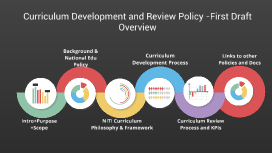
Transcript: Curriculum Development and Review Policy -First Draft Overview Background & National Edu Policy Curriculum Development Process Links to other Policies and Docs Curriculum Review Process and KPIs Intro+Purpose+Scope NITI Curriculum Philosophy & Framework Introduction & Purpose Introduction to Policy and its need in relevance to NITI/NPA, along with the purpose is covered in this section NITI Overview included References from “Reviews of National Policies in Saudi Arabia - Education in Saudi Arabia, OECD -2020" included The principal elements of Qualification Framework as per “NQF for Higher Education in KSA (May 2009)” included and relevancy to NITI levels shown. What NITI has been following with the development of curriculum processes and teaching practices are highlighted in order to provide a background to the policy 3 Curriculum Development process covered New CD Process Cycle 1. New Curriculum Development Presenting data Tips for presenting data Presentations with compelling visuals are 43% more persuasive than those without. 2. Adapting to accredited curriculum 1 1. Don't use two figures to represent the same number 2 Switch the format and content to keep your audience engaged Avoid back-to-back charts 2. 3 Explain what the chart says 3. Leave your visual up for a few minutes and tell a story 4 Don’t include unnecessary data Show the right amount of data 4. vs. 5 Highlight 1-2 significant key features Separate related data instead of combining datasets onto one module vs. Include visuals along with the data points Never sacrifice clarity for more information Visuals must be very clear 5. 6 Colors should be clear, contrasting, pleasing, branded, consistent Don’t make your audience work harder than they need to to understand the data Labels, titles, and legends need to be large format, easy to read, visible fonts Keep it simple - avoid unnecessary text, colors, grids, legends, etc. Maintain consistency in design and branding Explain where your data comes from - attribute, source, credibility 6. Additional design tips for data visuals 3. Utilizing existing accredited curriculum Things you should not do Truncated y-axis Use similar colors and categories Poor use of dual axis Improper sized visuals/illustrations Conclusion It only takes a little bit of time to look at the data you are presenting to plan what you’d like to say Just make sure you aren’t overwhelming your audience and are presenting your data as simply as possible You took time collecting and analyzing your data, now you can use it to make a great presentation Data storytelling You have data and a story to tell vs. vs. Sentence About 58 percent of the top brands in the world have over 100,000 Twitter followers. Data points 58 % of the top brands in the world have over 100,000 Twitter followers. Visual 58 % of the top brands in the world have over 100,000 Twitter followers. Providing context and story to data makes it more interesting and easy to understand Stories are always more relatable they make up 2/3 of our conversations Data storytelling isn’t limited to the written word The story of John and Michael Boss asks them to provide some stats about the different ethnicities living in New York. Both went to Wikipedia. John The New York City metropolitan area is home to nearly a quarter of the nation's Indian Americans and 15% of all Korean Americans and the largest Asian Indian population in the Western Hemisphere; the largest African American community of any city in the country; and including 6 Chinatowns in the city proper, comprised as of 2008 a population of 659,596 overseas Chinese, the largest outside of Asia. New York City alone, according to the 2010 Census, has now become home to more than one million Asian Americans, greater than the combined totals of San Francisco and Los Angeles. New York contains the highest total Asian population of any U.S. city proper. 6.0% of New York City is of Chinese ethnicity, with about forty percent of them living in the borough of Queens alone. Koreans make up 1.2% of the city's population, and Japanese at 0.3%. Filipinos are the largest southeast Asian ethnic group at 0.8%, followed by Vietnamese who make up only 0.2% of New York City's population. Indians are the largest South Asian group, comprising 2.4% of the city's population, and Bangladeshis and Pakistanis at 0.7% and 0.5%, respectively. Michael Ethnic communities in the New York metropolitan area It’s not just the data - it’s what the data means. Trends Contrast Outliers

Now you can make any subject more engaging and memorable