You're about to create your best presentation ever

Status Presentation Template

Create your presentation by reusing one of our great community templates.

Template Program Status

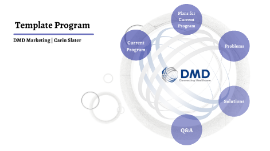
Transcript: DMD Marketing | Carin Slater Template Program Current Program Current Templates Current Template program covers hospitals and recruitment clients, as these markets have less rigid requirements, smaller marketing budgets, and less experience in email. Newsletters Newsletter Templates CME CME Templates Recruiters Recruiter Templates Plans for Current Program Going Forward 6 templates for each group New templates based on customer input Already started, different templates are in different stages of completion Introduce practice of having a kick off call with client When, What, and Who Problems with Current Program Problems Clients want more flexibility with template layout Managing client expectations Clients want options for one off templates What can we do? Solutions Introduce semi-custom templates Pros of semi-custom templates Individual blocks that companies can use to build their own template layout Clients can create unique template layouts Based on current modular templates No new build time for us Cost built in No more adding costs based on creative team's time when customizing template Clients will be able to create one off templates or templates that can be used outside of what the main purpose would be for the template. Why it's gonna be good Cons of semi-custom templates Will require new documentation to be created Will require new implementation practices to be learned Set up will take longer and will require more initial input from client Clients will still not be able to change the layout between sends Will cost more Sticky points Q&A Q A & What next steps are required? Sales Account Management Email Team Questions for me?

Project Status Template

Transcript: Project Overview What is Project Scope? Defining the Project Scope Support Scope Explained The project scope defines the boundaries of the project, detailing deliverables, tasks, milestones, and timelines. It serves as a guideline to ensure all team members stay aligned with project objectives and expected outcomes. Key components include project objectives, deliverables, tasks, and stakeholder expectations. A well-defined scope minimizes scope creep and clarifies responsibilities within the project team. Importance of Support Scope The support scope outlines the extent of assistance provided throughout the project lifecycle. It identifies roles, responsibilities, and the necessary resources for maintaining project momentum and addressing challenges. Deliverables Overview A clear support scope ensures all stakeholders understand their roles in providing necessary assistance and resources. This is crucial for effective collaboration and timely issue resolution. Key Deliverables Reference Number The key deliverables define the primary outputs of the project, serving as critical benchmarks for measuring project success. Clear documentation of each deliverable is essential for stakeholder alignment and expectations management. Each deliverable is assigned a unique reference number for tracking and accountability. This system ensures that all deliverables can be easily monitored through the project lifecycle. Completion Rate (%) Current Status The completion rate for each deliverable is measured in percentage terms, reflecting the amount of work completed versus what remains. This quantitative assessment enables better resource allocation and project planning. The current status of each deliverable provides stakeholders with insight into progress and any immediate concerns. Regular updates highlight areas needing attention to keep the project on track. Project Status Template Risks and Challenges Comprehensive Overview and Updates Identified Risks Current Challenges Challenges currently faced involve integrating new technologies that may disrupt existing workflows, maintaining clear communication among team members, and ensuring compliance with project specifications. Addressing these challenges is vital for maintaining project momentum. Key risks include potential delays in deliverables due to resource shortages, budget overruns from unexpected expenses, and stakeholder resistance which may hinder progress. Proactive risk management strategies must be established to mitigate these threats. Timeline & Activities Upcoming Activities Timeline Overview Escalations and Decisions Recent Activities In the upcoming period, the focus will shift towards task execution, team workshops, and risk assessments. Planning for these activities will ensure alignment with project goals and timelines. During the last reporting period, significant activities included project kick-off, initial resource allocation, and stakeholder meetings. These actions have laid the groundwork for successful project execution. Current escalations involve resource availability and timeline adjustments. Decisions are needed regarding additional support to mitigate potential delays and maintain project momentum. The project timeline includes key milestones and deadlines, visually represented with icons to enhance clarity. This allows stakeholders to quickly assess progress and upcoming events, fostering effective communication among team members. Leads Identified Additional Remarks Status Indicator Value Added Support Key leads have been identified for various project components, including communication, risk management, and deliverable tracking. This structure promotes accountability and clear ownership. Support from stakeholders has been instrumental in addressing challenges and enhancing efficiency. Any additional resources identified will further strengthen project outcomes. Communication channels remain open for all team members to share insights and updates. The importance of adaptability and responsiveness to change is emphasized for ongoing success. The Ampel system is employed to visually convey project status across different areas, with red indicating critical issues, yellow for caution, and green for on track. This system aids quick assessments by stakeholders.

Status Presentation

Transcript: What is Status? Presentors: Samantha Pudsey, Nicole Townsend, Matt Barlow, Kathleen Harris, Dylan Yates Owen "Indian" status is the legal term designated to Indigenous Peoples that fit strict criteria outlined by the Canadian Government. Legal Definition Differing Definitions It has nothing to do with an individuals traditions, heritage, culture, way of life, or ancestry. (past 2 generations) http://indigenousfoundations.arts.ubc.ca/indian_status/ Indigenous People are allowed to do as they please on their reserves. Indigenous People receive free housing within their community. Indigenous People do not have to pay for taxes. Residention schools are "ancient history" Missing/Murdered Indigenous women brought it upon themselves. Myths Myths about status 1 https://www.creativecity.ca/database/files/library/Dispelling_Common_Myths_About_Indigenous_Peoples_.pdf How Status is passed 2 Generation of status 6 (1), 6(2) and no status are the types of status a person can have. These designations and views are based on a government idea of blood quantum that determines a person's status essentially through the percentage of "aboriginal DNA that they have" Two generations of marriage to someone without status and from that point on no one in your family line will have status according to the government regardless of the environment or culture where they are raised The concept of status is not universally agreed upon to be positive among Indigenous people Some viewpoints see status as a way of controlling indigenous populations while others view status with pride as part of their identity There are too many viewpoints on status to begin to address Concerns address a variety of topics such as: the entire concept, how status is implemented/determined, whether it legitimizes colonial powers Views on Status 2 sides, good + the bad 3 There is not one form of status in Canada First Nations, Aboriginal and Metis Status are distinct with their own documentation, cards and requirements to gain status These different statuses in Canada are granted differing benefits Types of Status Types of Status How The goverment views Status The Canadian government defines status from a legal position in relation to what people are entitled to receive from the government. Bill C-31 changed who has status as well as how status is passed Indian Act 1 The 1867 Indian Act collected various bills and acts of parliament and established the new relationship between the government and native people after the 1763 Royal Proclamation marking Indigenous people as a distinct society with autonomous governence. Effects of the Indian Act Early 1850's was the first time the government attempted a formal definition of the word Indian Decision making on definition controlled by government, not indigenous communities Late 1850's Enfranchisement process begins where indigenous people could choose to lose their status and become "civilized" Multiple requirements and was considered a positive by the government and a goal to strive towards “Our Indian legislation generally rests on the principle, that the aborigines are to be kept in a condition of tutelage and treated as wards or children of the State. …the true interests of the aborigines and of the State alike require that every effort should be made to aid the Red man in lifting himself out of his condition of tutelage and dependence, and that is clearly our wisdom and our duty, through education and every other means, to prepare him for a higher civilization by encouraging him to assume the privileges and responsibilities of full citizenship.” (Report of the Royal Commission on Aboriginal Peoples, 1996) From an annual report in 1876 after the passing of the Indian Act People who lost status under the Indian Act: Women who married men without status Their Children People with university degrees Doctors Lawyers Clergy People under the "Double-mother rule" Indian Act Prior to Bill C-31 Indian Act Prior to Bill C-31 1951 Registry created based on male lineage 1961 Compulsary Enfranchisement rules removed from Indian Act 1969 Introduction of the "White Paper" Bill C-31 2 Bill C-31 Bill C-31 attempted to introduce legislation that would deal with sexism inherent in the way status was passed to future generations. The Indian Act was laid out in a way that was more controlling towards women and made it more difficult for women in particular to maintain status. If a man with status married a woman without status then that women would automatically have status and so would any children resulting from that marriage. If a woman with status married a man without status then the woman would automatically lose status and so would any of her children. Impact of Bill C-31 3 Bill C-31 returned status to women who lost their status due to marriage and removed the "double mother rule" It also allowed the aboriginal community to have influence over band membership, but no legal power to define status How Bill C-31 Changed Status Bill

Presentation Template

Transcript: Designing Your Presentation Structuring Content Effectively Color Schemes and Fonts Choosing the Right Layout Incorporating Visuals and Graphics A clear structure is vital for effective presentations. The rule of three can be applied, presenting ideas in groups of three for easier digestion. Use bullet points and numbered lists to enhance clarity and flow. Color schemes set the mood and enhance readability. A limited palette of 2-3 colors with contrasting tones is more effective. Choose fonts that align with the presentation tone; sans-serif for modern looks and serif for traditional presentations are common choices. The layout determines visual hierarchy and readability. Common layouts include slides designed for text-heavy content versus those emphasizing visuals, such as images or infographics. A well-structured layout improves audience retention of information. Visuals, such as images and charts, capture attention more than text alone. Research shows that visuals can improve information retention by up to 65%. Infographics help in simplifying complex data for better understanding. Introduction to Research Topic Templates serve as a blueprint for presentations, providing consistency in design and structure. They save time and ensure that crucial elements are not overlooked, enhancing overall communication and engagement with the audience. Components of a Good Template A good presentation template includes essential elements such as a title slide, content layout, visual hierarchy, and consistent color schemes. Each component must work together to enhance readability and visual appeal, guiding the audience through the information seamlessly. Types of Presentation Templates There are various types of presentation templates including pitch decks, educational lectures, and marketing presentations. Each type is tailored to specific communication needs and audience expectations, ensuring clarity and relevance of the content. Best Practices for Presentations Visual Aesthetics in Templates Visual aesthetics, including color theory and typography, play a crucial role in presentation templates. Effective use of visuals can capture attention, reinforce messages, and promote retention, making the information more impactful. Relevance of the Current School Curriculum to future job market Demands Engaging Your Audience To capture attention, incorporate storytelling, relevant anecdotes, and interactive polls or questions. Research shows that audiences are 75% more likely to remember presentations that include interactions. Timing and Pacing Utilizing Technology and Tools Leverage tools like PowerPoint, Prezi, or interactive platforms such as Mentimeter for effective visuals and engagement. Utilizing technology not only makes your content more dynamic but also enhances understanding across diverse learning styles. Effective presentations balance content with timing. Aim for 1 minute per slide on average and leave time for questions; experts recommend 10-15% of total time for Q&A to enhance understanding and engagement. Handling Questions and Feedback Encourage questions by allocating specific time for audience interaction and demonstrating openness. Implementing a structured Q&A format can improve clarity and allows for deeper audience engagement while addressing common misconceptions. Conclusion and Next Steps Resources for Further Learning Recap of Key Points For those looking to refine their presentation skills, consider books like 'Presentation Zen' by Garr Reynolds and online courses on platforms such as Coursera or LinkedIn Learning. These resources offer advanced techniques and strategies for effective communication. Essential components of effective presentations include understanding your audience, utilizing engaging visuals, and structuring content for clarity. A well-designed template can significantly enhance the presentation experience for both the presenter and the audience. Call to Action for Practice Final Thoughts on Presentation Skills Mastering presentation skills not only enhances professional opportunities but also boosts personal confidence. Remember, effective communication is a key asset in any field, making it essential for career advancement. Regular practice is vital for mastery in presentations. Engage in public speaking groups like Toastmasters or seek opportunities to present at work to build confidence and receive constructive feedback.

Presentation Template

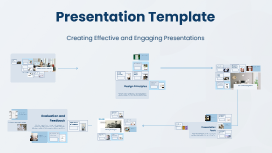
Transcript: Assets Presentation Template Creating Effective and Engaging Presentations Comment Color Schemes Color schemes impact perception and engagement. Utilizing complementary colors enhances readability and evokes emotional responses, while a consistent palette promotes professionalism and cohesiveness throughout the presentation. Why Are Presentations Important? Key Elements of a Good Presentation An effective presentation consists of clear objectives, engaging content, appealing visuals, and strong delivery. These elements work together to ensure the message is understood and retained by the audience. Presentations are a vital tool for conveying ideas and information in a concise manner. They help engage audiences, facilitate knowledge sharing, and support decision-making in various contexts, from business to education. Font Selection Storytelling Techniques Common Presentation Formats Using Data and Statistics Crafting a Compelling Conclusion Choosing the right fonts ensures readability and visual appeal. Sans-serif fonts are generally preferred for digital presentations, while contrasting font styles for headings and body text can enhance clarity. Introduction to Presentations Presentations can take various formats, including slideshows, verbal talks, and interactive workshops. Each format serves specific purposes and can be chosen based on the audience's needs and the presenter's objectives. A strong conclusion summarizes key takeaways and reinforces the significance of your message. Present a call to action, encouraging the audience to reflect or act upon the information, leaving a lasting impression. Understanding the essential features of effective presentations is crucial for successful communication. This section covers the importance of presentations, the key elements that make them effective, and how to tailor your message to your audience. Storytelling in presentations makes content relatable. Use personal anecdotes or case studies to illustrate points, weaving emotional connections that resonate with your audience and aid in memory retention of key messages. Incorporating relevant data strengthens your arguments and adds credibility. Utilize visuals like charts and graphs to present complex information clearly, ensuring that statistics are contextualized and connected directly to your overall narrative. Understanding Your Audience Setting Clear Objectives Visual Hierarchy Image Usage Creating Engaging Headlines Knowing your audience is crucial for tailoring your message effectively. Factors such as demographics, interests, and expertise level should inform the presentation's content and style for maximum impact. Defining clear objectives is essential for any presentation. Objectives guide the content and keep both the presenter and audience focused on the intended outcomes, ensuring effective communication. Visual hierarchy prioritizes information to guide the audience's focus. By varying font size, weight, and color, key points are emphasized, allowing for quicker understanding of the presented material. Images should complement the content, not overwhelm it. High-quality visuals can illustrate complex ideas, but maintaining relevance and context is crucial for impactful communication. Headlines serve as hooks to capture your audience’s interest. Craft headlines that are concise yet compelling, leveraging impactful words to convey the essence of each section, encouraging further engagement with the content that follows. Layout and Spacing Structuring Your Presentation Content Development Effective layout and spacing guide the audience's eye. Proper alignment and ample white space can enhance readability, prevent overcrowding, and create a more polished, professional appearance. A well-structured presentation enhances clarity and retention. Consider using a clear beginning, middle, and end, supplemented with transitions that guide the audience through your key points. Utilize frameworks like the Problem-Solution or Chronological approach depending on your topic. Effective content development is the backbone of any successful presentation. It involves careful structuring and engaging communication to ensure your message is understood and retained. Design Principles Effective design principles are fundamental for creating engaging presentations that hold the audience's attention. Understanding visual hierarchy, color schemes, font selection, image usage, and layout ensure that messages are conveyed clearly and professionally. Managing Nervousness Learning from Past Presentations Nervousness is common among presenters; techniques such as deep breathing, visualization, and practice can effectively manage it. Creating a clear structure for the presentation can also boost confidence and promote calmness during delivery. Incorporating Multimedia Reviewing recordings of past presentations can illuminate patterns in performance. This reflection enhances understanding of effective techniques and common

Now you can make any subject more engaging and memorable